
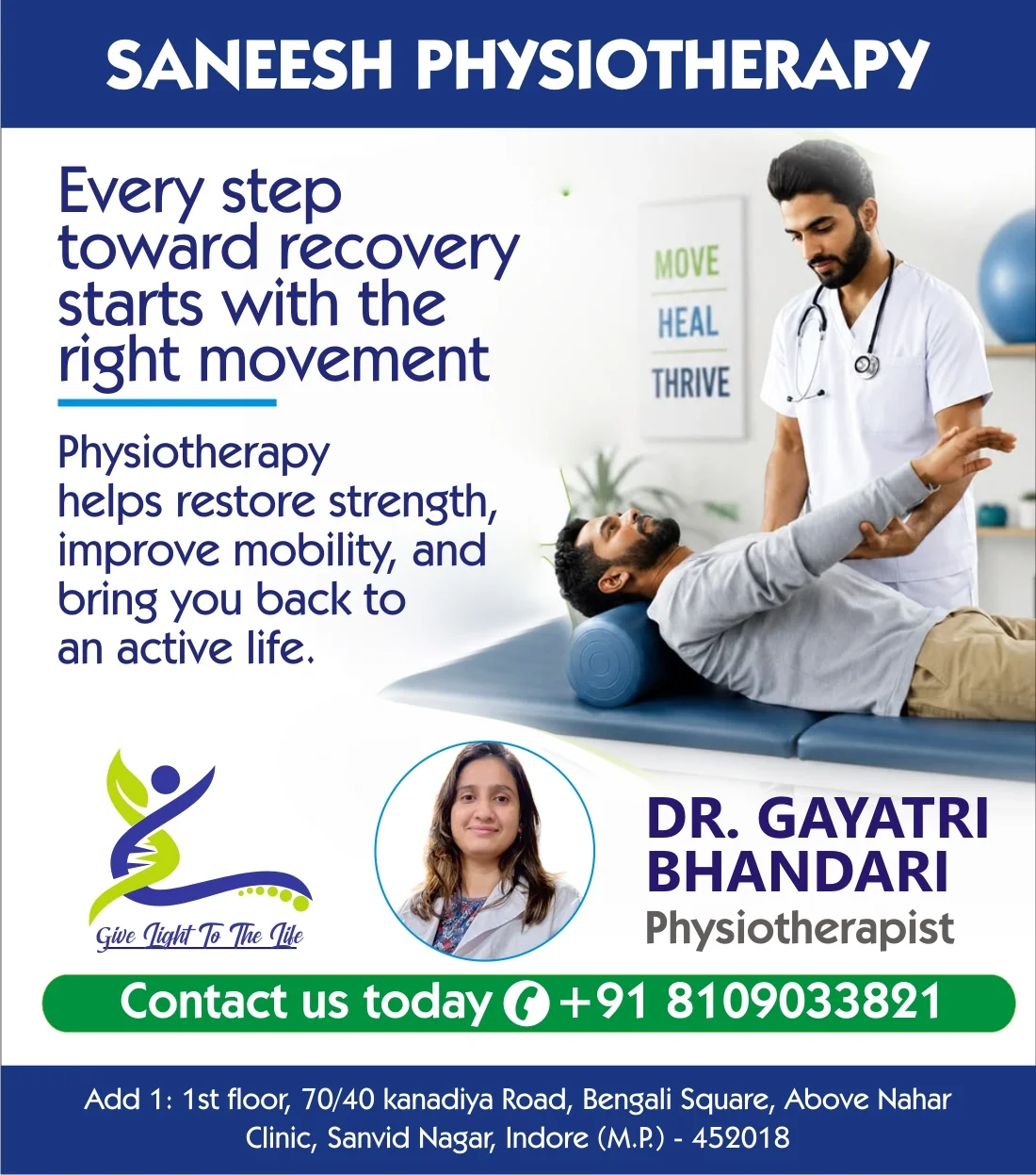
Physiotherapy in Indore – Restore Strength, Mobility and Confidence with the Right Movement
Pain, stiffness, weakness, reduced mobility, or difficulty returning to normal activities can affect both physical health and quality of life. Whether the problem develops after an injury, surgery, long-term joint condition, poor posture, muscle weakness, or neurological issue, structured physiotherapy can play an important role in recovery.
People searching for Physiotherapy in Indore often need more than temporary relief. The goal of professional physiotherapy is to identify the underlying movement problem, improve strength and flexibility, restore functional ability, and help patients return safely to daily life. At Sanesh Physiotherapy, treatment planning can be based on the patient’s condition, symptoms, physical limitations, lifestyle, and recovery goals.
What Is Physiotherapy?
Physiotherapy is a healthcare approach that uses movement, therapeutic exercises, physical techniques, education, and rehabilitation strategies to improve function and mobility.
It may be recommended for people experiencing:
A qualified physiotherapist in Indore can help determine which exercises and rehabilitation techniques are appropriate based on the patient’s specific condition.
Why Is Physiotherapy Important for Recovery?
Pain may cause people to reduce their movement. While temporary rest is sometimes necessary, prolonged inactivity can lead to muscle weakness, stiffness, reduced endurance, and poor movement patterns.
Physiotherapy aims to restore safe movement gradually.
Depending on the condition, treatment may help:
The purpose is not simply to complete exercises but to improve how the body functions during everyday movements.
Physiotherapy for Back Pain in Indore
Back pain is one of the most common reasons people seek physical rehabilitation.
It may develop due to:
Professional back pain physiotherapy in Indore may involve exercises for mobility, core strengthening, posture correction, flexibility, and movement retraining.
Patients may also receive guidance about sitting posture, lifting technique, workstation setup, and activity modification.
The exact treatment depends on the cause and severity of the problem.
Knee Pain Physiotherapy in Indore
Knee pain can make walking, stair climbing, sitting, standing, and exercising difficult.
Common causes may include:
Knee pain physiotherapy in Indore often focuses on improving joint movement while strengthening the muscles around the knee and hip.
Exercises may target:
Strengthening these muscle groups can improve support around the knee and may make everyday movement more comfortable.
Physiotherapy After Knee Replacement
Recovery does not end when joint replacement surgery is completed.
Post-operative rehabilitation is an important part of restoring movement and independence after knee surgery.
Knee replacement physiotherapy in Indore may focus on:
The rehabilitation plan should follow the surgeon’s advice and the patient’s stage of recovery.
Trying to progress too quickly may cause unnecessary discomfort, while insufficient movement may contribute to stiffness. A structured approach helps maintain the right balance.
Post-Surgery Physiotherapy in Indore
Physiotherapy is frequently recommended after orthopedic surgeries because muscles and joints may become weaker or stiffer during recovery.
Post-surgery physiotherapy in Indore may be useful following procedures involving:
Rehabilitation goals may differ at each stage.
Early treatment may focus on safe movement and basic exercises. Later phases may focus on strength, endurance, flexibility, coordination, and return to everyday activities.
Shoulder Pain and Rehabilitation
The shoulder allows a large amount of movement, which also makes it vulnerable to stiffness, weakness, and injury.
Common shoulder conditions may include:
Professional shoulder physiotherapy in Indore may involve controlled mobility exercises, strengthening, posture correction, and gradual return to overhead activities.
Patients should avoid aggressive exercises without assessment because some shoulder conditions require specific movement restrictions.
Neck Pain and Posture Correction
Long hours at computers and mobile phones can contribute to neck stiffness and muscle strain.
Neck pain may be associated with:
Neck pain physiotherapy in Indore may include posture education, mobility exercises, strengthening, ergonomic advice, and movement correction.
A physiotherapist may also identify habits that repeatedly overload the neck during work or daily routines.
Sports Injury Physiotherapy
Sports injuries require appropriate rehabilitation before returning to activity.
A reduction in pain does not necessarily mean that strength, balance, coordination, and joint stability have fully recovered.
Sports injury physiotherapy in Indore can help athletes and physically active individuals rebuild these abilities gradually.
Conditions may include:
The rehabilitation program may gradually progress from basic movement to sport-specific activities.
Physiotherapy for Senior Citizens
Ageing can affect muscle strength, balance, joint mobility, and endurance. Some older adults may gradually reduce their activity because of pain or fear of falling, which can further reduce strength.
Physiotherapy for senior citizens in Indore may help improve:
Programs should be adapted to the individual’s fitness level and medical condition rather than using highly demanding exercises.
Balance and Fall Prevention
Falls can lead to serious injuries, particularly among older adults.
A physiotherapist may evaluate:
A structured balance training physiotherapy program may use carefully selected exercises to improve stability and reduce fall risk.
Patients may also receive advice regarding safe movement at home.
Importance of Strengthening Exercises
Muscle weakness is often overlooked when people focus only on pain.
Weak muscles can place extra stress on joints and make everyday activities difficult.
Strength training during physical rehabilitation in Indore can help patients improve their ability to:
Strengthening should be gradual and based on the person’s capacity.
Flexibility and Mobility Training
Stiff joints and tight muscles can restrict normal movement.
Mobility exercises are designed to maintain or restore joint motion, while stretching may improve the flexibility of selected muscles.
However, not every joint should be stretched aggressively. The correct exercise depends on the diagnosis, stage of healing, and individual symptoms.
A trained physiotherapist can identify which movements should be encouraged and which should temporarily be limited.
How Does a Physiotherapist Create a Treatment Plan?
The first step is usually an assessment.
The physiotherapist may ask about:
Physical examination may then assess movement, strength, flexibility, posture, and functional performance.
Based on these findings, the therapist can develop a personalized rehabilitation program.
Home Exercises: Why They Matter
Clinic-based sessions form only one part of physiotherapy.
Home exercises are often important because rehabilitation requires regular practice.
Patients may receive a limited set of exercises to perform between appointments. Following the correct frequency and technique can help maintain progress.
It is usually better to perform a small number of suitable exercises correctly than to follow random exercises found online.
Common Mistakes During Physiotherapy
Recovery can sometimes be delayed by avoidable mistakes.
These include:
Rehabilitation is often gradual, and progress should be measured against individual goals.
When Should You Consult a Physiotherapist?
Consider seeking physiotherapy treatment in Indore if you experience:
Medical evaluation may be required first if pain is associated with severe trauma, significant swelling, sudden weakness, fever, or other concerning symptoms.
Frequently Asked Questions
1. How many physiotherapy sessions will I need?
The number of sessions varies depending on the diagnosis, severity of the condition, duration of symptoms, treatment goals, and response to rehabilitation. Some problems improve over a short period, while post-surgical or chronic conditions may require longer rehabilitation.
2. Is physiotherapy only for people recovering from surgery?
No. Physiotherapy can also help with musculoskeletal pain, sports injuries, posture-related problems, arthritis, reduced mobility, balance difficulties, and several other movement-related conditions.
3. Should physiotherapy exercises cause pain?
Some exercises may create mild muscle effort or temporary discomfort, but severe or increasing pain should not simply be ignored. Patients should inform their physiotherapist so the exercise intensity or technique can be reassessed.
4. Can elderly patients undergo physiotherapy?
Yes. Rehabilitation can be adapted according to age, health status, strength, balance, and functional ability. Older adults may benefit from carefully planned mobility, strengthening, and balance exercises.
Start Your Recovery with Professional Physiotherapy in Indore
Recovery is not only about reducing pain. It is about regaining movement, rebuilding strength, restoring confidence, and returning to the activities that matter in everyday life. A structured rehabilitation plan can help patients progress safely instead of relying on random exercises or prolonged inactivity.
Dr. Gayatri Bhandari provides physiotherapy and rehabilitation support for individuals dealing with orthopedic conditions, mobility difficulties, post-operative recovery, and other movement-related concerns at Sanesh Physiotherapy.
If pain, stiffness, weakness, or reduced movement is interfering with your routine, professional assessment can help you understand the next appropriate step.
Contact Us Today to Book Your Physiotherapy Consultation in Indore and Start Moving Toward Better Recovery
| Tags: | #Physiotherapy in Indore |


