
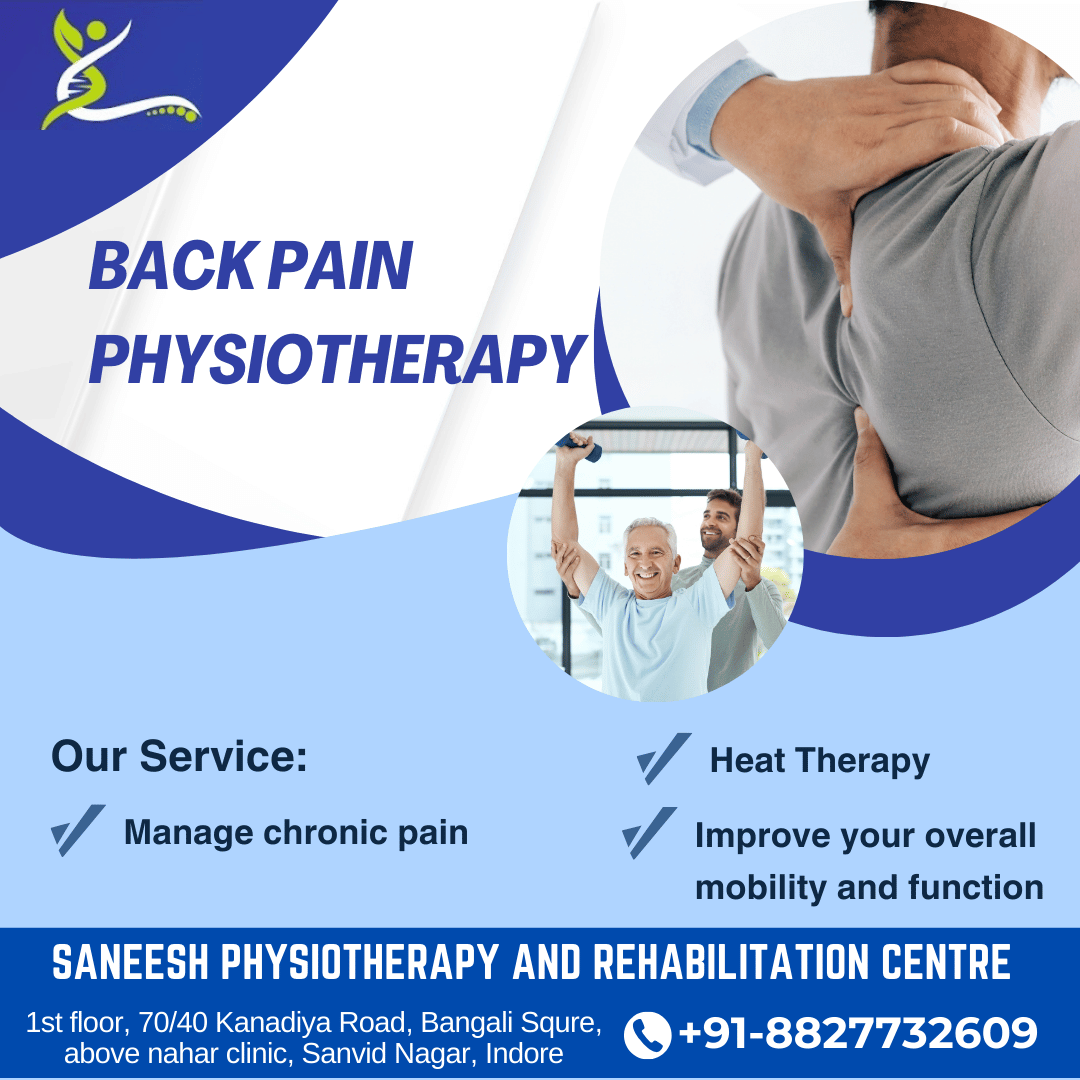
Lower back pain can make ordinary moments unexpectedly difficult. Getting out of a car, standing at the kitchen counter, or sitting through a meeting may suddenly need more thought than usual.
The right Lower Back Pain Treatment in Indore starts with understanding your symptoms and how they affect movement. Depending on the assessment, care may include advice, tailored exercise, physiotherapy, and medical treatment when appropriate.
Before visiting Saneesh physiotherapy and rehabilitation centre for an appointment with Dr. Gayatri Bhandari, note when the pain began and which activities are difficult. Specific examples help you explain what you want treatment to achieve.
Lower back pain is felt between the lower ribs and the buttocks. It may feel like an ache, stiffness, or a sharper pain, and sometimes symptoms extend into a leg.
Many cases are described as nonspecific, meaning a particular disease or structural cause cannot be confidently identified. The pain is still real and deserves appropriate care.
Other cases involve conditions such as a muscle strain, nerve irritation, or an inflammatory disorder. A clinical assessment helps decide whether rehabilitation is suitable or further medical investigation is needed.
Avoid assuming that every episode is a slipped disc or that one painful movement tells you exactly what is wrong.
Seek emergency care if back pain occurs with:
Fever, feeling generally unwell, unexplained weight loss, or persistent pain that is worse at night also warrant medical assessment. Sudden severe pain or rapidly worsening symptoms need urgent review.
These signs should be assessed before starting routine exercises or treatment sessions.
An assessment should explore both the symptoms and their effect on your life.
Expect questions about where the pain is, when it started, previous episodes, and what makes it better or worse. Mention tingling, numbness, weakness, recent injuries, and other medical conditions.
The physical examination may include checking:
Bring any existing prescriptions or scan reports. You do not need to arrange a new scan simply to prepare for a physiotherapy appointment; imaging should follow clinical advice.
Physiotherapy for lower back pain can help you understand your symptoms, build physical capacity, and work towards activities that matter to you.
An exercise plan may include suitable mobility work, strengthening, and aerobic activity. The choice should reflect your symptoms, preferences, and current ability.
Your therapist should explain how to perform each exercise, how much to do, and when to request a review. There is no single stretch or strengthening routine that suits everyone.
Goals might include walking to nearby shops, managing stairs, returning to work, or lifting household items more comfortably.
Progress should be reviewed and the plan adjusted. Ask what level of discomfort is acceptable during your exercises and which changes mean you should stop and seek advice.
Some people may benefit from manual therapy. When used for lower back pain, it should form part of a wider programme that includes exercise.
Ask how each treatment contributes to your goals and what you can practise independently between appointments.
For uncomplicated back pain, staying active within your ability is generally encouraged. Prolonged bed rest can make returning to normal activity harder.
Start with manageable tasks and discuss any necessary temporary adjustments. You may need to modify heavy work while maintaining other comfortable activities.
Useful topics to discuss include:
A wrapped heat pack may ease stiffness or muscle spasm for some people. Protect your skin and check suitability if you have reduced sensation or circulation problems.
If pain relief is needed, ask a medical clinician or pharmacist what is suitable for your health and current medicines.
When pain continues, sleep, stress, work pressures, and fear of movement can become part of the picture.
Discuss these concerns openly. Addressing them does not dismiss the physical experience of pain.
For some people with persistent lower back pain, care may combine physical rehabilitation with psychological support, such as cognitive behavioural approaches. The purpose is to improve coping and participation in everyday life.
A review is also important if the current approach is not helping. Your care team may reconsider the assessment, change the plan, or recommend another specialist.
When comparing options for back pain physiotherapy in Indore, look for an individual assessment, understandable explanations, and a clear review process.
Ask about professional qualifications and experience with concerns similar to yours. Confirm appointment timings, session fees, and how progress will be assessed.
Whether you travel from Vijay Nagar, Palasia, Rau, or another part of Indore, consider how repeat visits will fit your schedule.
Before committing to a package, ask what the proposed sessions involve. A fixed promise of complete recovery within a particular number of visits cannot account for everyone’s condition.
Pain intensity is useful information, but it is not the only way to discuss recovery.
Choose a few meaningful tasks to review with your therapist. For example:
Keep brief notes about changes and any new symptoms. This gives you something specific to discuss at follow-up and helps the therapist adjust your rehabilitation goals.
Usually, routine imaging is not needed for uncomplicated lower back pain. A clinician may recommend a scan when serious conditions are suspected or when the result is likely to change treatment.
The number depends on your symptoms, assessment findings, goals, and response to treatment. Ask for an initial plan with a review point rather than relying on a guaranteed session count.
Prolonged bed rest is generally discouraged for uncomplicated back pain. Continue suitable activities within your ability and follow individual advice. Urgent symptoms need medical assessment before you continue exercising.
It may help some people with back-related leg pain, but assessment is important. New or worsening weakness, changes in bladder or bowel function, or saddle-area numbness require urgent medical attention.
A home programme is often an important part of rehabilitation. Whether you need further supervised sessions depends on your progress, technique, symptoms, and ability to manage independently.
Finding suitable Lower Back Pain Treatment in Indore begins with an assessment and goals that reflect your daily life.
Contact Saneesh physiotherapy and rehabilitation centre to enquire about an appointment with Dr. Gayatri Bhandari. Bring your previous reports and a short description of the activities you want help with.
Contact Us Today to Book an Assessment and Discuss Your Rehabilitation Needs.
| Tags: | #Complete Guide to Lower Back Pain Treatment in Indore |


